Are Vinyl Gloves Safe for Food Handling? Practical Guide for Importers
A B2B guide for food service buyers comparing vinyl gloves, nitrile gloves and disposable PPE sourcing requirements.
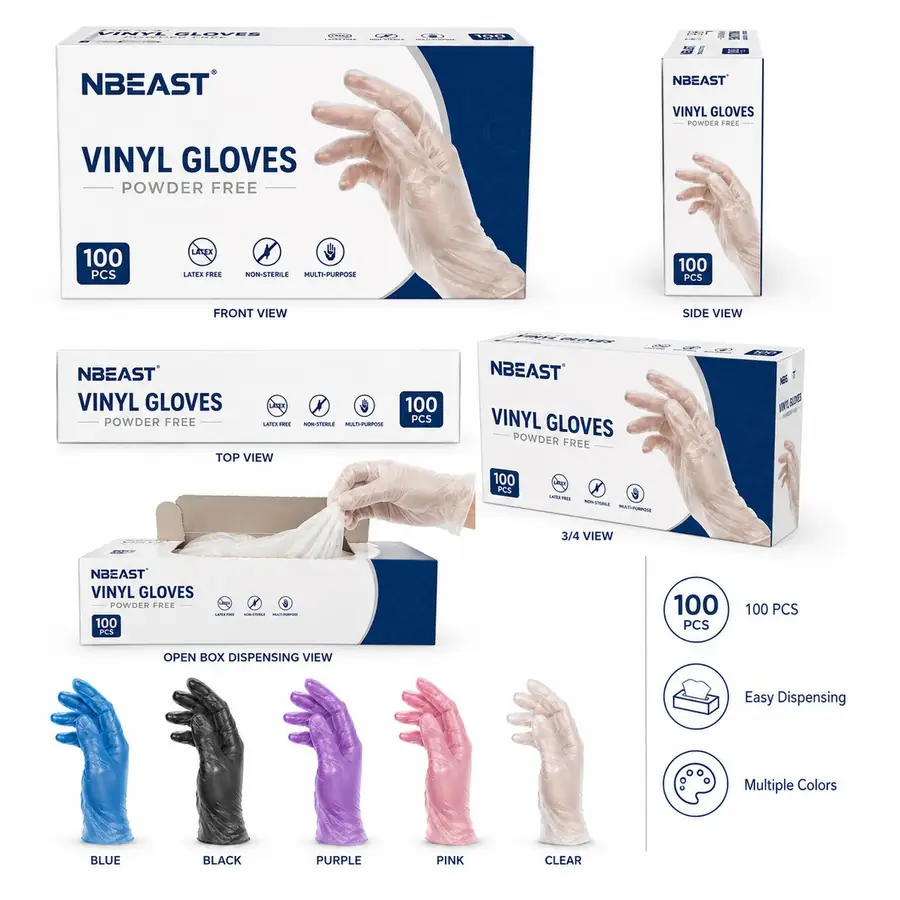
Short Answer
Vinyl gloves are widely used for food handling and short-duration food service tasks, especially where workers change gloves frequently. They are popular with restaurants, catering companies, supermarkets, bakeries, hotels and food packing operations because they offer a low-cost disposable barrier for low-risk work. Buyers should still confirm local food contact requirements and the exact product specification before placing bulk orders.
Vinyl Gloves for Food Handling: Use Case Table
| Food Service Task | Vinyl Gloves | When to Upgrade to Nitrile |
|---|---|---|
| Sandwich, bakery and deli counter work | Good fit for frequent glove changes and low-risk handling. | Upgrade if staff report tearing or need longer wear time. |
| Restaurant prep and catering service | Useful for cost-controlled disposable hygiene programs. | Upgrade for oily food, meat handling or stronger grip needs. |
| Supermarket and hospitality use | Clear or blue vinyl works well for visible hygiene tasks. | Upgrade for premium accounts that want better fit and strength. |
| Light cleaning around food areas | Acceptable for short, low-stress cleaning tasks. | Upgrade for detergent exposure or longer cleaning shifts. |
Where Vinyl Works Well
Vinyl works well for sandwich preparation, counter service, deli counters, bakery handling, packing lines, hotel breakfast service and simple cleaning around food service areas. It is usually not the best choice for heavy chemical handling, sharp tools or long wear time. If the customer wants stronger gloves, nitrile should be recommended.
Cost Advantage
The main reason importers buy vinyl is cost control. Food service accounts often compare price by box or by carton. Vinyl gives distributors a product they can sell into price-sensitive channels while keeping nitrile as a premium upgrade.
Limitations
Vinyl gloves usually fit looser than nitrile and may tear more easily under stress. They are not the best option for demanding cleaning or mechanical work. A responsible seller should explain use cases clearly to avoid customer complaints.
Specification Checklist
Confirm clear, blue or black color, powder-free status, box quantity, carton packing, size range, food contact expectations, barcode and private label needs. Buyers should ask for samples before ordering a full container or private label batch.
EASTGLOVES Support
EASTGLOVES supplies vinyl gloves in blue, black and clear colors for food service, cleaning, supermarket and general hygiene buyers. Mixed PPE orders with gloves, masks, caps and shoe covers can also be discussed.
Practical selection questions from glove users and buyers
Is “food safe” enough to choose a glove?
No. For vinyl gloves for food handling, begin with local food-contact documentation and short-task change procedures; then verify the destination-market claim for the exact SKU. A short service task may need a different glove from long food-processing work.
When is vinyl or TPE more economical than nitrile?
Vinyl and TPE can suit short, low-risk tasks with frequent changes. Nitrile is usually chosen when fit, durability or longer wear matters. Cost the vinyl gloves for food handling option using actual changes, rejected gloves and task completion—not the box price alone.
What should a workplace trial record?
For vinyl food-handling trials, record wearer size, task time, grip, tears, sweating and why each glove was changed. Run the approved vinyl gloves for food handling sample in the real dry, wet or oily task before committing the full account.
How should allergy claims be handled?
In vinyl food-handling trials, identify latex as a natural-rubber product and keep nitrile, vinyl and TPE descriptions tied to their actual materials. Review formulation and skin-sensitivity information for the selected vinyl gloves for food handling product instead of making a universal allergy claim.
Need a sourcing quotation?
Contact Amy with your product list, target quantity, packing needs and destination country. For food-handling orders, verify the vinyl glove formulation, food-contact documentation, task duration and local market requirements before purchase.